
Solution · BESS
BESS: battery energy storage for Mexico's large energy consumers
An industrial battery system for plants on the GDMTH, DIST or DIT tariffs of CFE, Mexico's state-owned utility, or buying through qualified supply or another private-supply scheme. Housed in a cabinet or a container depending on the size of your plant, it lowers your CFE bill, improves your power factor and, if you add backup, keeps your plant producing when CFE's supply fails. Designed, installed and operated by ENEGRIN, with savings measured using CFE's formulas.
A day at your plant with BESS
What the system does while your plant produces
Maximum peak demand
880 kW
Energy cost for the day
$34,520
Difference
—
Typical profile of a GDMTH plant, Norte division. Switch to «With ENEGRIN BESS» to see the change.
The system charges and discharges according to the CFE tariff rules for your region and your consumption pattern. What you see on the bill: lower billable demand during peak hours and a better power factor; with backup added, the plant keeps producing during outages, within the 2-hour autonomy at maximum discharge.
What you get
27–37 % savings on the bill
Savings measured on CFE bills with ENEGRIN BESS in actual operation. They vary with season and consumption. The savings come from several sources; improving the power factor is one of them.
Whole-plant backup (optional)
When CFE's supply goes down, the system takes the full load with automatic transfer. The batteries are sized to last 2 hours at maximum discharge; within that autonomy, coverage is total. You can start with savings only and add backup later.
Equipment protection
In normal operation, the system monitors the grid: on severe voltage deviations or a phase failure, it automatically disconnects from CFE and supplies power from the system. When it operates isolated from CFE (island mode), it regulates voltage and frequency.
Better power factor, lower bill
Another way the system generates savings is by improving your plant's power factor. We measure exactly how much of the savings comes from it, and you see it separately in your reconciliation.
Who it is for
If your plant pays more than MXN 200,000 a month for power, it qualifies.
Any large consumer on CFE's GDMTH, DIST or DIT tariffs, or buying through qualified supply or another private-supply scheme: factories, hospitals, hotels, data centers, shopping centers. Savings depend on your consumption pattern and your tariff: the simulator shows you with your bills and, once the system is installed, two meters measure them every month.
Integrated technology
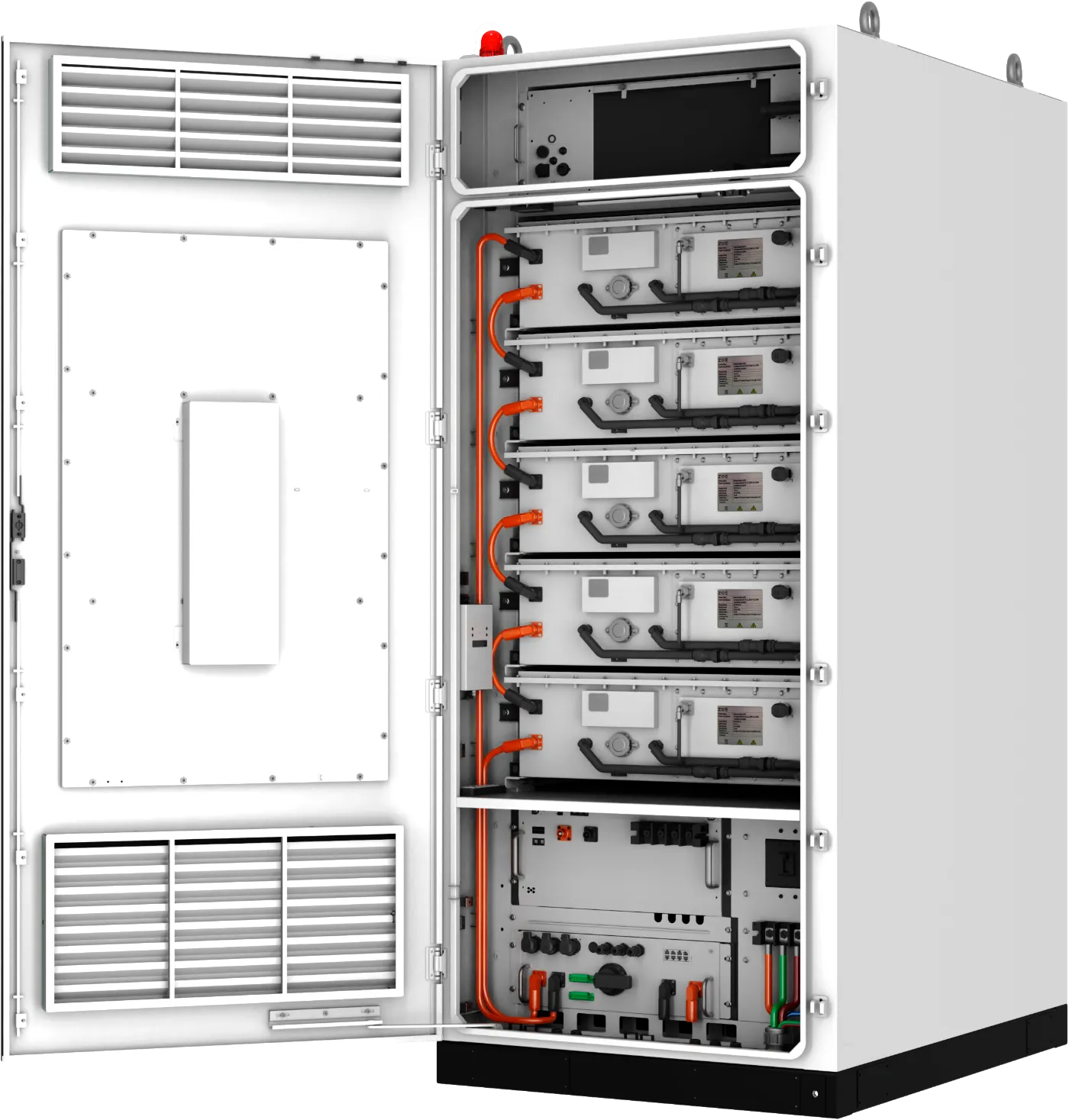
Fully integrated in a cabinet or container, ready to connect
- 01Batteries with Tier 1 cells from CATL and EVE Energy, two of the world's top three manufacturers of energy storage cells (TrendForce ranking, first half of 2026)
- 02Power conversion system (PCS): converts the batteries' energy for your plant's electrical network
- 03Battery management system (BMS): looks after battery charge, temperature and service life
- 04Ollin EMS, our own energy management system, with artificial intelligence adapted to CFE's rules
- 05Siemens industrial control
- 06Electrical protection and IoT
- 07International certifications and testing: IEC 62619, IEC 62933-5-2, UL 9540A, CE and more (see Technology)
And if your plant changes, the system can be relocated.
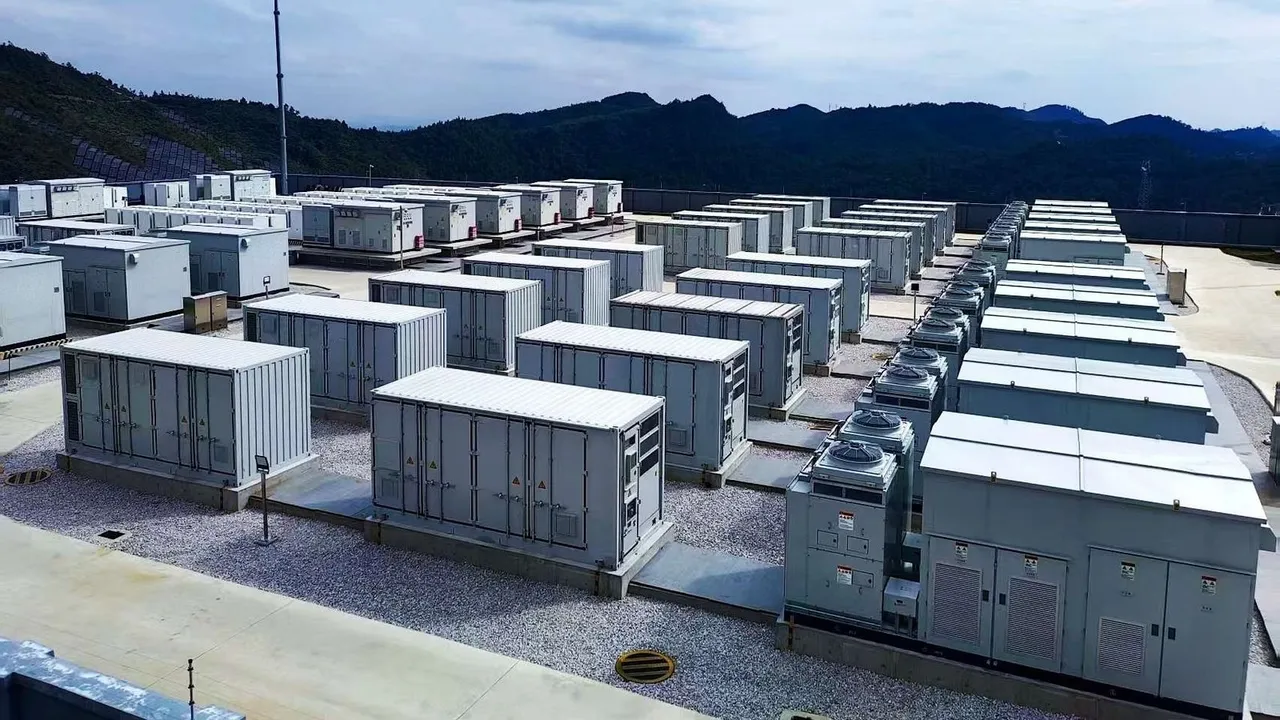
Group BESS systems in operation
 1 / 9
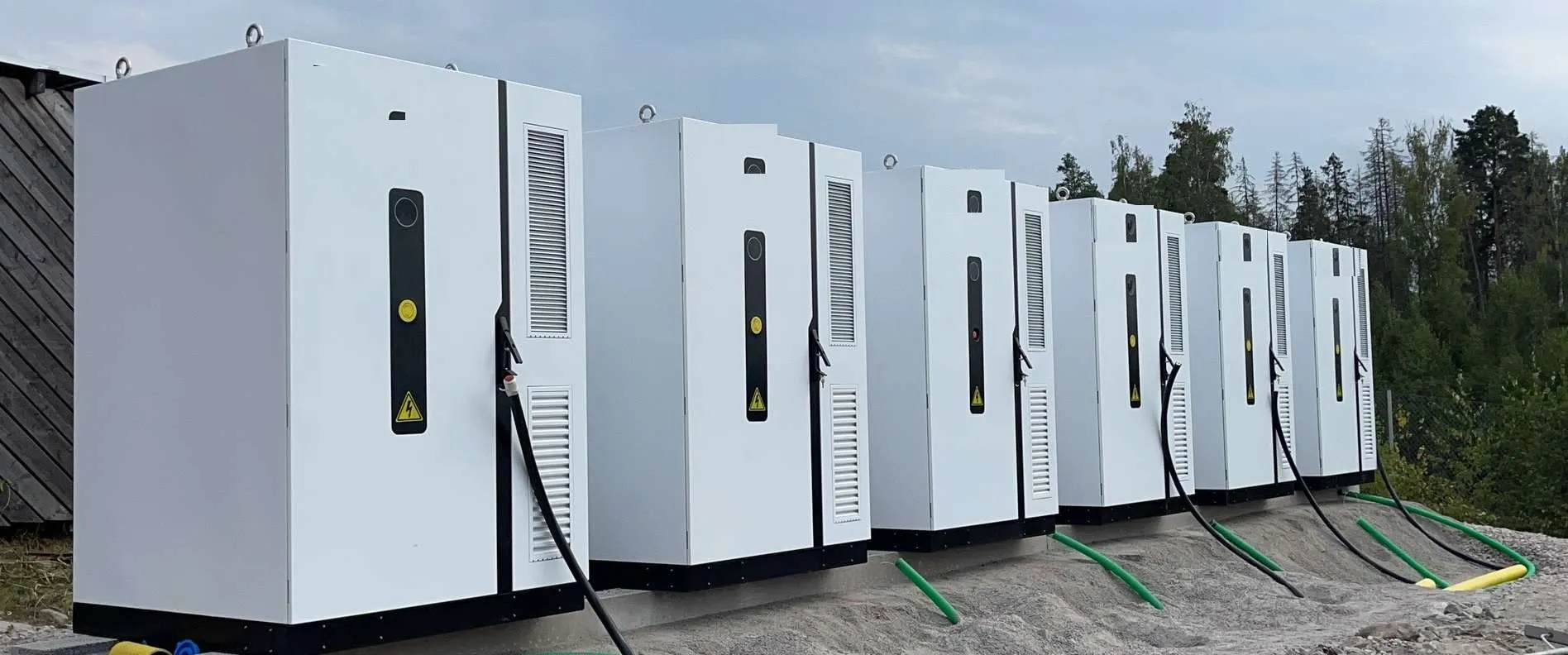
1 / 9Installations by our international group of technology partners, with the same hardware we install in Mexico.
- 100 MW BESS installation by the international partner group
- 60 MW BESS installation by the international partner group
- Aerial view of a 70 MW BESS under construction
- Row of BESS units next to a substation
- BESS cabinets operating in winter snow
- Twelve BESS cabinets in a row
- BESS cabinets next to a corporate building
- Open BESS cabinets showing battery modules and converter
- Open and closed BESS cabinets on site (third-party logo blurred).
Comparison
BESS, diesel generator or UPS: what each one solves
| Criterion | ENEGRIN BESS | Diesel generator | Industrial UPS |
|---|---|---|---|
| Lowers the CFE bill every month | Yes | No | No |
| Backs up the whole plant | Yes, automatic transfer | Yes, starts within seconds | Critical loads only |
| Autonomy | 2 hours at maximum discharge | As long as there is fuel | Minutes |
| Improves the power factor | Yes | No | No |
| On-site fuel and emissions | No | Yes | No |
| Pays for itself through savings | Yes | No | No |
Qualitative table; the generator and UPS rows reflect general industry knowledge, not ENEGRIN data.
Solar + BESS
If generating makes sense for your plant, the same system does it
Solar generation is an option within the system, not a separate product. We size it from your bills and your consumption by time-of-use period, not by how many panels fit on your roof; it is operated by the same EMS as the BESS, and its results appear on the same platform, measured with CFE's formulas. The simulator shows you which part of the bill the BESS targets, which part solar targets and which combination makes sense for your plant. It works the same way: with no upfront investment or as a purchase.
Frequently asked questions
How much does a BESS save a factory on the GDMTH tariff?
With ENEGRIN BESS in actual operation, measured savings on the CFE bill are 27–37 %, depending on the season and the consumption pattern. You can see your plant's figure in the simulator with your bills and, once the system is installed, two meters measure it every month.
Do I have to invest?
It is not necessary. Under the shared-savings model, ENEGRIN installs, operates and maintains the system, and it is paid for out of the savings. You can also buy it at the outset or later on.
Does the BESS keep the plant running during a power outage?
Yes, if you add backup: the system takes the entire load with automatic transfer. The batteries are sized to last 2 hours at maximum discharge; within that autonomy, coverage is total.
Do I need a CNE permit to install batteries behind the meter?
No. The storage provisions of the CNE, Mexico's National Energy Commission, published in the DOF (Mexico's Official Gazette) on April 16, 2026, treat a battery system associated with your load center as part of your facilities: it does not require a storage permit, provided the energy is used only in your plant, without being injected into or sold to the grid. You do need the technical study filed with CENACE, Mexico's grid operator, for the modification of your load center, and compliance with the Grid Code, NOM-001-SEDE-2012 and the technical standards the provisions require. ENEGRIN handles this, and the system we install is certified to IEC 62619 and IEC 62933-5-2, standards listed in those provisions.
Source: CNE Agreement issuing the General Administrative Provisions (DACG) for the integration of Electric Energy Storage Systems into the National Electric System, DOF, Apr 16, 2026.
How do I know the savings reported to me are real?
Because we measure them with two meters: one in parallel with CFE's meter, which replicates its measurement exactly, and another on the BESS side, which measures what we deliver to you. We apply the same CFE formulas and tariffs to both. We forecast your bill before it arrives and reconcile it against the actual bill (99.98 % match), and we publish that reconciliation every month. Any external auditor can reproduce the calculation.